At this year’s Almedalsveckan (Visby, Sweden), climes will participate in a panel titled “Extremväder här för att stanna – hur påverkas Sverige?” (Extreme weather is here to say. How is Sweden affected?), focusing on extreme weather and municipal preparedness.
(The seminar will be held in Swedish.)
This seminar presents key findings from the 2024 Europe Report of the Lancet Countdown on Health and Climate Change, highlighting the growing health risks of a rapidly warming Europe. With updated data across 42 indicators, the report reveals sharp increases in heat-related mortality, the spread of climate-sensitive diseases, and food insecurity—while exposing delays in climate action and missed opportunities to protect public health.
This one-day, in-person workshop, will take place in Gothenburg, Sweden, May 13th 2025.
The workshop will feature a mix of keynotes, oral presentations, and posters around the topics of AI for climate change, including AI for biodiversity and the green transition. The workshop will be a meeting point for a wide range of researchers from (primarily) around the Nordic countries, but other interested people will be welcome too.
This hybrid seminar features Professor Frank Biermann, one of the world’s leading scholars on global environmental governance. Drawing on his extensive research in earth system governance and institutional design, Professor Biermann will critically examine proposals for planetary-scale interventions to counter climate extremes—such as solar radiation modification—and discuss their political, ethical, and governance implications.
🌍Climes at EGU 2025🌍
Climes is participating in the European Geosciences Union (EGU) General Assembly 2025!
Our Principal Investigators are leading and contributing to sessions that tackle some of the most pressing challenges in climate and earth sciences, from understanding extreme weather impacts to leveraging AI for better forecasting.
EGU is a prime platform for connecting with global experts, sharing groundbreaking research, and advancing solutions to climate challenges. As part of the scientific community, we invite you to engage by submitting your abstracts and joining these critical discussions.
Sessions with climes’ principal investigators Gabriele Messori and Elena Raffetti:
🔹 NP1.3 | Extremes in Geophysical Sciences: Drivers, Predictability, and Impacts
Convener: Meriem Krouma
Co-conveners: Davide Faranda, Gabriele Messori, M. Carmen Alvarez-Castro Explore the mechanisms driving extreme events and their impacts across geophysical systems.
🔹 ITS2.3/CL0.12 | PICO | Population Health Impacts of Climate Extremes and Climatic Factors
Convener: Elena Raffetti
Co-conveners: Gabriele Messori, Antonio Gasparrini, Stefan Döring, Maurizio Mazzoleni
Delve into the intersection of climate extremes and public health, with insights into impacts and mitigation strategies.
🔹 ITS1.13/NH13.1 | PICO | Text Data and Emerging Data Sources in Earth System Sciences
Convener: Lina Stein
Co-conveners: Mariana Madruga de Brito, Gabriele Messori, Georgia Destouni
Mariana Madruga de Brito, Gabriele Messori, Georgia Destouni(https://www.su.se/english/profiles/gdest-1.182913)
Highlight the innovative use of text and non-traditional data in advancing earth system research.
🔹 CL5.9 | AI-driven Forecasting for Weather, Climate, and Extreme Events (Co-organized by AS1)
Convener: Ramón Fuentes Franco
Co-conveners: Gustau Camps-Valls, Sonia Seneviratne, Leonardo Olivetti, Gabriele Messori
Gustau Camps-Valls, Sonia I. Seneviratne, Leonardo Olivetti, Gabriele Messori
Discover how AI is transforming the landscape of weather and climate forecasting, with a focus on extremes.
Take Action
Submit your abstracts to these sessions and be part of the conversation shaping the future of climate science. Abstract deadline: 15 January 2025.
📢 Learn more and submit here: egu.eu/abstracts
This webinar brings together two early career researchers presenting cutting-edge work on how rising temperatures affect human health across socio-economic divides in Europe.
This seminar explores the intersection of environmental shocks and political representation, focusing on how droughts influence public opinion towards women leaders in South Africa. Dr. Sundström will present findings from his recent research, shedding light on the complex dynamics between climate extremes and gendered political behavior.
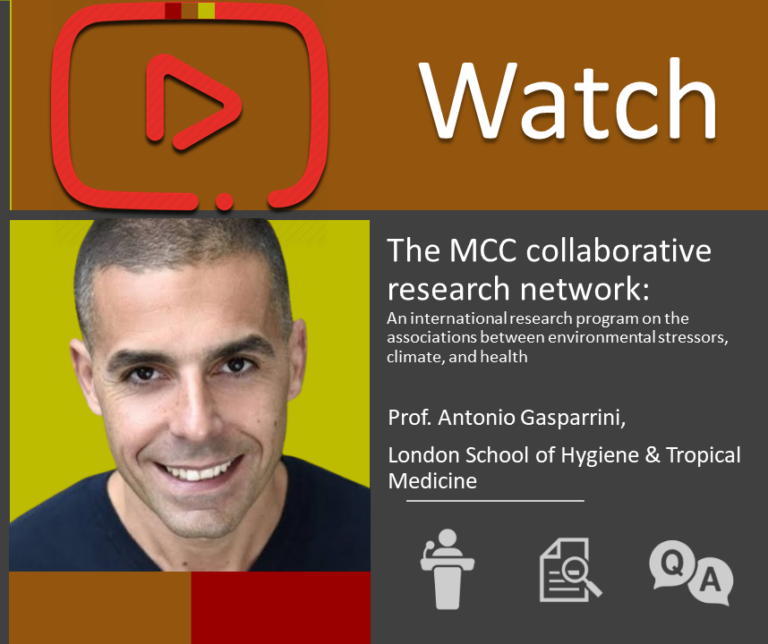
- A seminar with Antonio Gasparrini, a leading researcher from the London School of Hygiene & Tropical Medicine. Gasparrini will present insights from the Multi-Country Multi-City (MCC) Collaborative Research Network, an international initiative exploring the intersections between environmental stressors, climate change, and public health.The session will delve into the collaborative framework of the MCC Network, showcasing its global research database, innovative methodologies, and key findings on the health impacts of environmental and climatic factors.
- A joint event by climes and Karolinska Institutet/Department of Global Public Health
climes will take part in Framtidsglöd – Sustainability Festival at Uppsala Concert and Congress Hall, an event that highlights sustainability through science, culture, and innovation. The festival gathers researchers, artists, and the public to inspire a sustainable future.
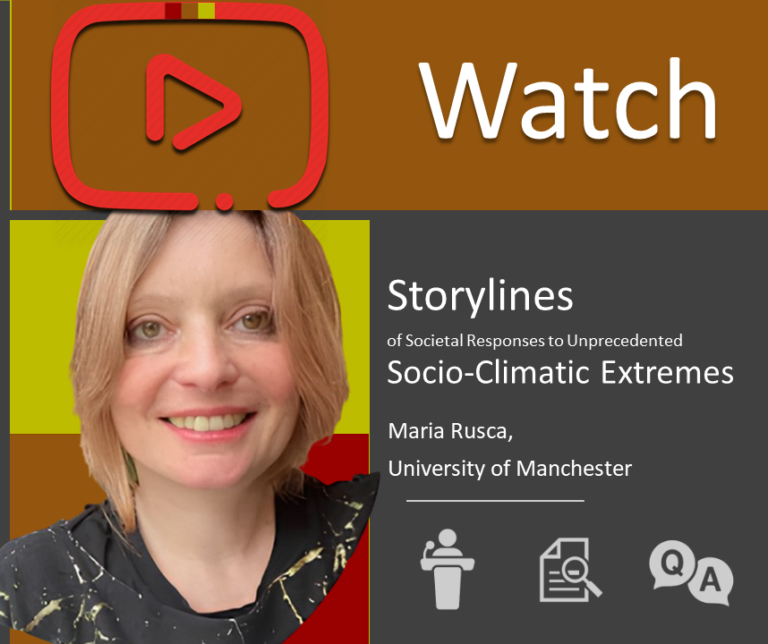
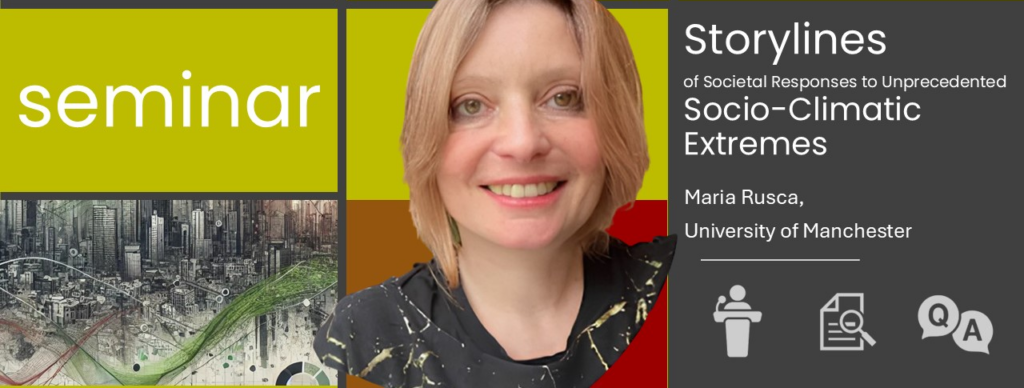
A session with Dr. Maria Rusca from the University of Manchester’s Global Development Institute, exploring how societal responses to intensifying climate extremes are shaped by political, economic, and social forces. Dr. Rusca will introduce the Plural Climate Storylines Framework, which highlights how politics and power shape responses to future socio-climatic risks.
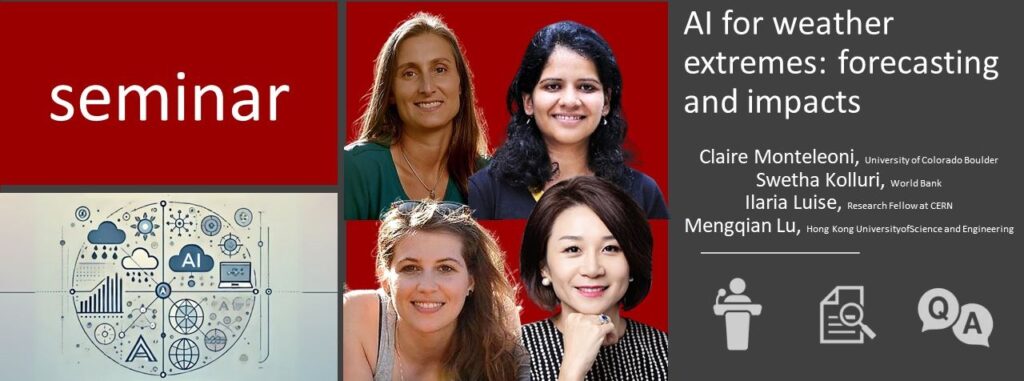
This seminar will review the latest developments in AI-driven weather forecasting, focusing on extreme weather detection and predictability. Experts from diverse disciplines will discuss the strengths and limitations of current AI models and the broader social and ethical implications of transitioning to AI-driven forecasting. This seminar is collaboration between The Centre of Natural Hazards and Disaster Science (CNDS) and climes.
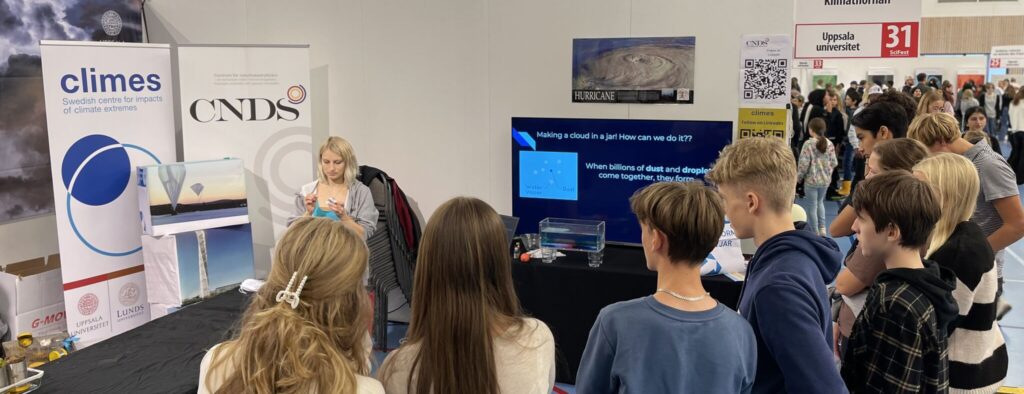
In a joint contribution with CNDS, our team developed interactive workshops to engage students and the public in exploring climate science, geoscience, and sustainable development.
Highlights included:
- Simulating Rainfall: Hands-on activities using water balloons to explore extreme weather events.
- Building Natural Filters: Participants created filters from recycled materials, learning about sustainable water management.
These activities offered a fun, educational way to explore extreme weather and climate change, inspiring curiosity and critical thinking.
Our collaboration with other departments showcased how climate research addresses real-world challenges, fostering a deeper understanding of sustainability and encouraging young scientists to envision innovative solutions.
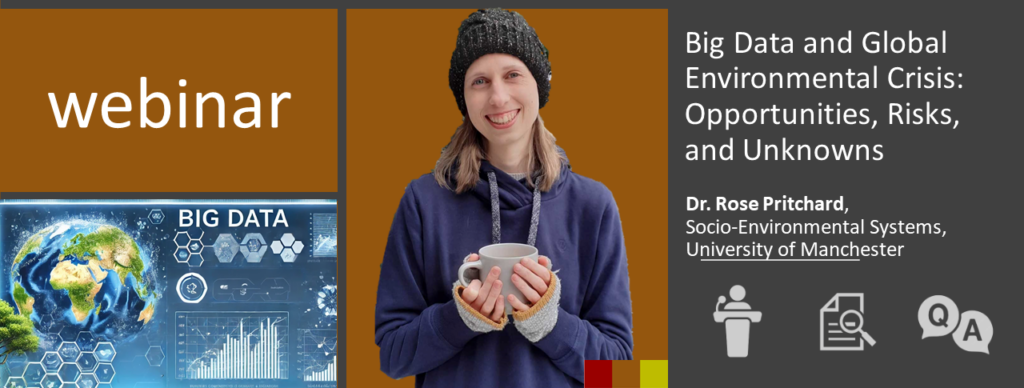
A session with Dr. Rose Pritchard from the University of Manchester’s Global Development Institute, as she examines the role of big data in addressing global environmental crises.
Through case studies, she will explore how digital advancements are reshaping biodiversity conservation and the documentation of climate-related loss and damage.
A session with Professor Carlo Torti from the Catholic University of Sacred Heart, Rome, as he explores the critical intersections between climate change and vector-borne diseases in Europe.
This event brought together an international community of climate researchers and public and private sector representatives, with the aim to forge a path for enhanced collaboration.