climes

The Swedish centre for impacts of climate extremes

An interdisciplinary effort to understand impacts of climate extremes

About climes

Swedish Centre for Impacts of Climate Extremes (climes) is a research and training platform building an interdisciplinary field on how climate extremes affect people, ecosystems and infrastructure in a changing world. The Centre brings together physical, medical, social and engineering sciences—disciplines rarely combined—to advance knowledge, shape the Swedish research landscape and strengthen societal resilience. Our work centres on three themes: compiling high-quality data on the impacts of climate extremes; analysing the physical–societal interactions that drive consequences; and developing policy-actionable scenarios to prepare for future extremes.

In these tabs you can find more information about climes. ↘️

Research themes

Our work is organized around three overarching themes, each targeting key knowledge gaps:

– Data Development: We compile improved, freely accessible climate impact data for scientific and policy use, utilizing advanced natural language processing techniques for automated information extraction. – Impact Analysis: We unravel the complex interplay between the physical characteristics of climate extremes and societal responses, using interdisciplinary approaches to dissect the genesis of impacts. – Scenario Building: We develop socio-physical scenarios of future extreme events, accounting for societal and adaptation processes to aid in policy formulation and resilience building. See below to read about our researchers.


Education and training

Our educational initiatives include:

– Contributing to master’s programmes with a focus on climate impacts. – Establishing the climes Graduate School in Climate Impacts, offering interdisciplinary training to doctoral students. – Providing a comprehensive suite of training objectives and complementary skills development to enhance career readiness and societal impact.  

International collaboration

Climes fosters a vibrant international network, engaging in collaborations across academia, the private sector, and public agencies worldwide. Our international exchange program enriches our research and expands our global perspective, ensuring that climes is at the forefront of addressing global challenges related to climate extremes.


Societal engagement

Our commitment to societal resilience and adaptation is reflected in our efforts to:

– Promote public awareness of climate extremes’ impacts through various outreach activities. – Produce policy briefs and engage with stakeholders to inform and support evidence-based decision-making. – Involve communities in our research, ensuring that our work is grounded in real-world needs and contributes to sustainable solutions.  

Organisational structure

Climes operates with a streamlined management structure that includes all principal investigators, supported by dedicated committees for training coordination and external advisory. This collaborative approach ensures that our research is agile, responsive, and impactful.


Gabriele Messori, Center Director

gabriele messori

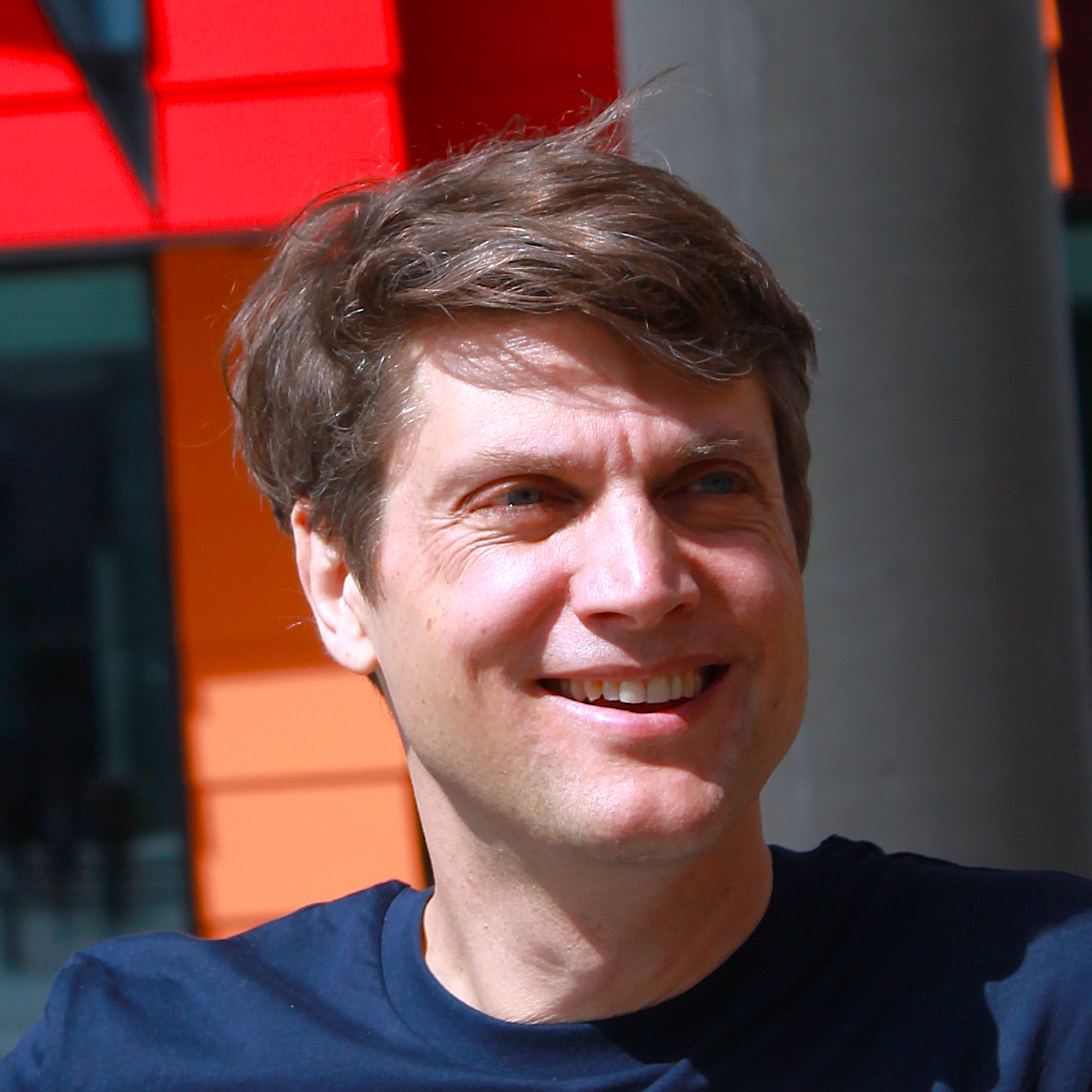
Gabriele Messori is an atmospheric physicist who explores the complexities of our climate, focusing on extreme weather events and their broader impacts. With an M.Sc. from Imperial College London and a subsequent Ph.D. in Atmospheric Physics, Gabriele has delved into various research areas, from dynamical systems theory to climate data analysis. His work at the Department of Earth Sciences at Uppsala University focuses on the forecasting and understanding of the societal impacts of extreme weather in the mid and high latitudes. His research methodology integrates observations, models, and statistical tools to foresee and mitigate the challenges posed by our evolving climate.

Emily Boyd

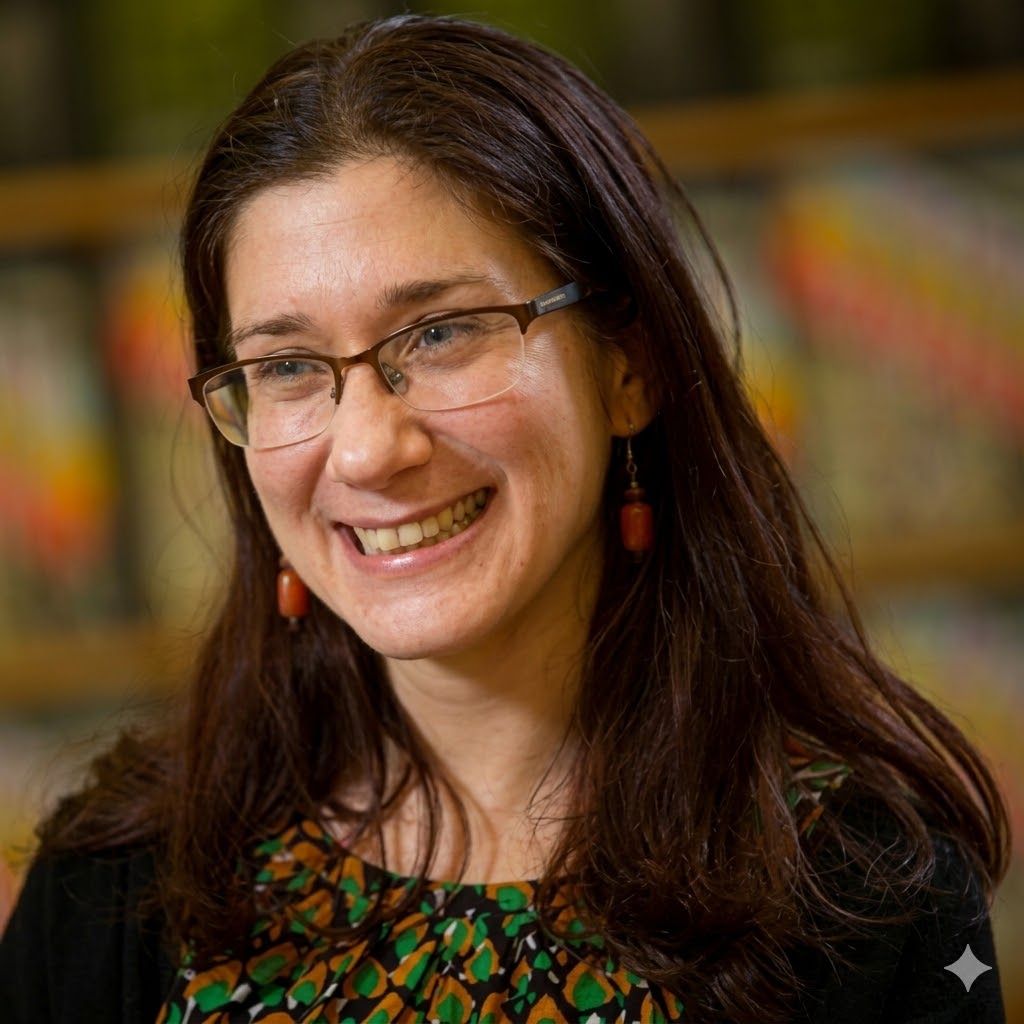
Emily Boyd is a Professor in Sustainability Studies at LUCSUS (Lund University Centre for Sustainability Studies), with a focus on environment and climate change. Her research spans across the interdisciplinary nexus of poverty, livelihoods, and resilience, addressing critical issues in global environmental change, notably in cities, sustainable land use, and deforestation across various continents. With a background in social science, Emily’s work offers insights into resilience, adaptation, and community participation in the carbon economy. She holds a variety of positions, including Deputy Coordinator at LU’s Nature-based future solutions and Director at Lund University Sustainability Forum.

Joakim Nivre

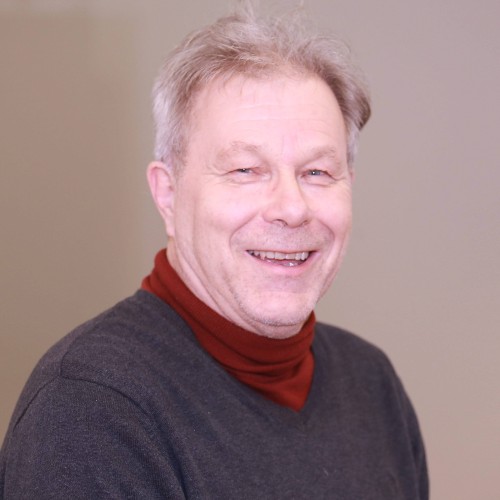
Joakim Nivre, a professor of computational linguistics at Uppsala University and formerly a senior researcher at RISE, has had an academical journey with Ph.D.s in General Linguistics and Computer Science from the University of Gothenburg and Växjö University, respectively. His pioneering work in data-driven methods for language technology, especially morphosyntactic and semantic analysis, has influenced the field. Nivre is one of the developers of the transition-based method for syntactic dependency parsing and a founding member of the Universal Dependencies project, which aims to standardize morphosyntactic annotation across languages. His contributions to computational linguistics are widely recognized, underscoring his leadership in the global research community.

Elena Raffetti

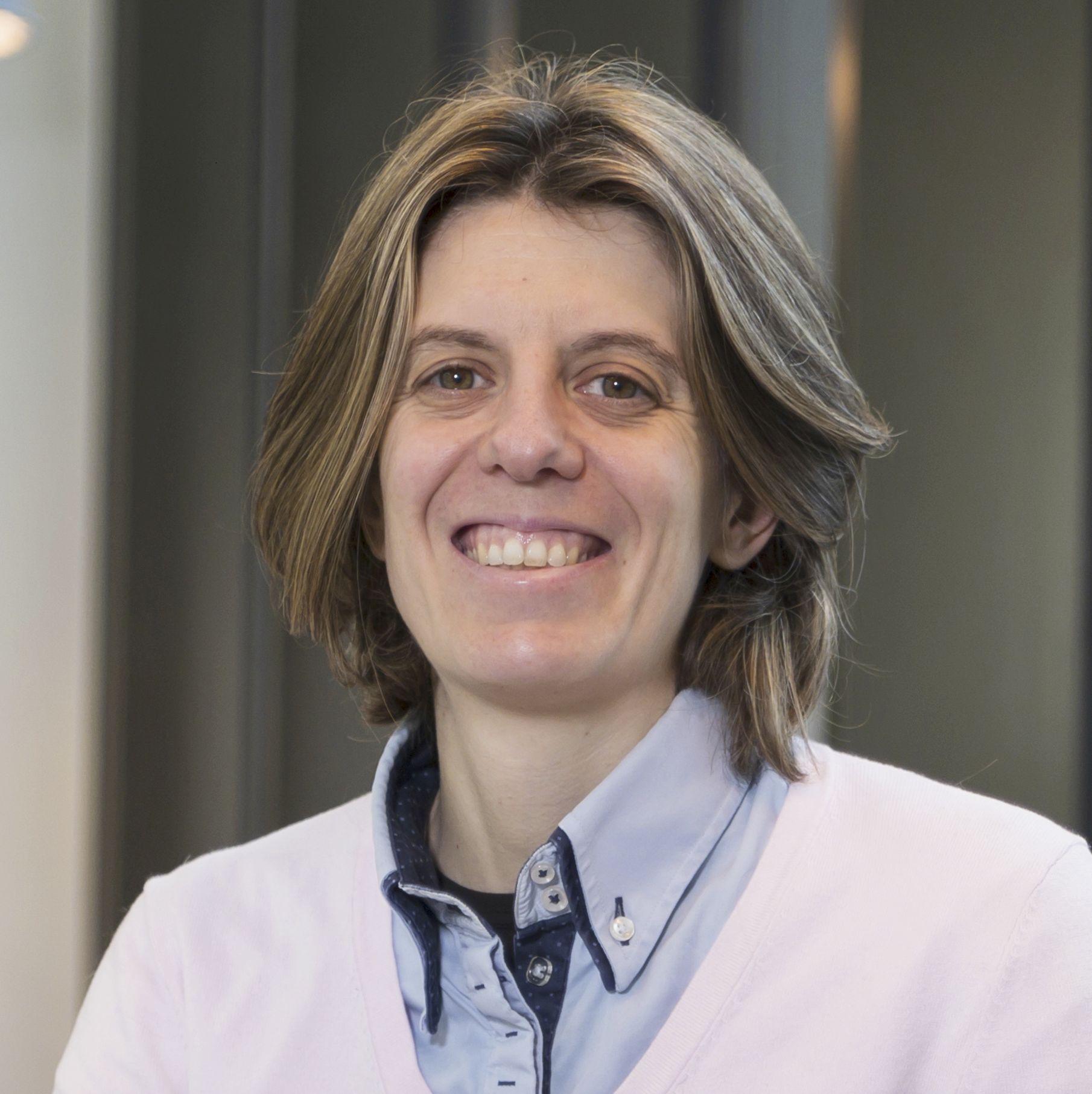
Elena Raffetti, a medical doctor with a specialty in public health, is deeply engaged in epidemiological research and health data science. She completed her specialty training in public health medicine at the University of Brescia, Italy, in 2016 and obtained her Ph.D. in Medical Science, specializing in Epidemiology, from Karolinska Institutet in 2021. Her post-doctoral work was performed at Department of Primary Care and Public Health at University of Cambridge and Department of Earth Sciences at Uppsala University. Currently an Assistant Professor at the Department of Global Public Health, Karolinska Institutet, and involved in multiple research projects across Europe, Elena is dedicated to understanding the health impacts of socio-environmental extreme events, particularly focusing on cardiovascular and maternal health amidst climate extremes and pandemic.

Olof Mogren

Olof Mogren serves as a senior researcher on foundational and applied machine learning at RISE. After obtaining his Ph.D. in machine learning from Chalmers University of Technology in 2018, Mogren has gained extensive experience in leading applied AI projects addressing challenges in climate adaptation and ecology. He leads RISE Learning Machines Seminars and works on AI for soundscape analysis, biodiversity monitoring, and remote sensing, demonstrating his commitment to using AI for societal benefits and environmental sustainability.

Dr. Stella Riad

Institution: Research Institutes of Sweden (RISE)
Expertise: Data analysis, artificial intelligence, machine learning, and applied AI for risk and systems analysis

Prof. Emily Boyd

Institution: Lund University
Expertise: Human-environment geography, climate adaptation, and vulnerability

Dr. Olof Mogren

Institution: Research Institutes of Sweden (RISE)
Expertise: Deep learning, artificial intelligence, and climate data analysis

Dr. Elena Raffetti

Institution: Uppsala University and Karolinska Institutet 
Expertise: Epidemiology, public health, and medical sciences

Prof. Ian Snowball

Institution: Uppsala University
Expertise: Geo/paleomagnetism, contaminated sediments

Prof. Gabriele Messori

Institution: Uppsala University
Expertise: Climate science, extreme weather events, and atmospheric dynamics

Dr. Martina Angela Caretta

Institution: Lund University
Expertise: Water insecurity, climate change adaptation, vulnerability, gender

Prof. Joakim Nivre (Adjunct Member)

Institution: Research Institutes of Sweden (RISE)
Expertise: Natural language processing, computational linguistics, and machine learning

Sakıp Murat Yalçın (Adjunct Member)

Institution: Uppsala University
Project role: Project coordinator

Alice Sverdlik

University of Manchester (UK)

Urban health, informal settlements, climate adaptation, gender and environment, and equitable urban resilience

Johan Groth

Former Head of StormGeo (Sweden)

Weather services for industry, meteorology-driven business solutions, and climate-sensitive enterprise advisory

Nicola Orsini

Karolinska Institutet (Sweden)

Medical statistics, global public health, epidemiology and quantitative methods for social and health research

Katarina Gustafsson

Uppsala Municipality (Sweden)

Municipal climate adaptation, stakeholder engagement, and sustainability planning in regional governance

Stefano Caserini

University of Parma & Climalteranti (Italy) 


Air quality, greenhouse gases, emission inventories, and climate change mitigation strategies

Murathan Kurfalı

Postdoctoral researcher at the Research Institutes of Sweden (RISE), specializing in natural language processing. Murathan holds a Ph.D. in Computational Linguistics from Stockholm University, with his research covering areas such as multilingual discourse analysis, evaluation of language models across languages, and computational analysis of textual corpora to gain insights into human perception.

During his postdoctoral work within the climes project, Murathan applies natural language processing techniques to large datasets (e.g., news, articles, and reports) to explore the impacts of climate change. His research focuses on mining data related to climate-related disasters and societal impacts, as well as analyzing how perceptions and discussions of climate change evolve over time.

Research focus: Improving language models for diverse linguistic applications, with a particular emphasis on developing computational tools for analyzing multilingual texts.

Aditya Narayan Mishra

Postdoctoral researcher at Uppsala University’s Department of Earth Sciences. Aditya completed his Ph.D. in Climate Science at Karl-Franzens-Universität Graz, Austria, specializing in regional climate modeling and extreme weather events. His research integrates climate simulations, atmospheric dynamics, and climate variability to assess the impacts of extreme events, particularly in extra-tropical regions.

His previous work spans multiple institutions, including time as a visiting scholar at the University of Reading and conducting research at the Indian Institute of Tropical Meteorology. Aditya’s expertise includes precipitation patterns, climate dynamics, and feedback mechanisms in climate systems, with a focus on understanding how climate change intensifies extreme weather phenomena.

Research focus: Impacts of climate change on precipitation, atmospheric dynamics, and extreme weather events, with particular emphasis on regional climate modeling and simulation techniques to predict future climate scenarios.

Alicia N’Guetta

Researcher at Lund University’s Centre for Sustainability Studies (LUCSUS). Alicia holds a Ph.D. in Sustainability Science from Lund University. Her work spans climate impacts and action, adaptation, loss and damage, and climate governance, with regional experience in Africa, the Caribbean, and Europe (including French overseas territories and EU outermost regions). She works at the science–policy–society interface to co-produce knowledge that supports equitable, transformative climate action.

Before joining LUCSUS, Alicia worked as a Monitoring & Evaluation Officer with the Food and Agriculture Organization (FAO), covering Madagascar, Comoros, Mauritius, and Seychelles (based at the FAO office in Comoros). Her doctoral research examined narratives of loss and damage in tropical fisheries through a blue justice lens, contributing to projects such as the EU Horizon 2020 MACOBIOS and the FORMAS-funded DICE initiative.

Research focus: Climate change impacts and action; loss & damage; adaptation; climate governance; blue climate justice and equity.

Charlotte Maybom

Postdoctoral researcher at Lund University’s Centre for Sustainability Studies (LUCSUS). She holds a Ph.D. in political ecology from the University of Copenhagen, with expertise in global environmental governance, climate adaptation policy, and gender. Her work draws on feminist political ecology and international climate policy analysis, with field experience in Kenya and other regions of the Global South.
At climes, Charlotte examines how extreme weather events affect communities, using qualitative and mixed methods to analyze climate risks, vulnerabilities, and adaptation pathways. Her research explores lived experiences of loss and damage and the enabling conditions that support effective and inclusive adaptation. Her work aims to inform equitable evidence-based policies, support community-centered resilience efforts, and contribute to more effective and targeted adaptation interventions.  
Research focus: Social and gender dimensions of climate adaptation, particularly how institutional and power dynamics influence exposure, vulnerability, and response strategies. 
Climes Researcher List
Andreas Nord
Andreas Nord
Lund University (LU)
Ecological and evolutionary physiology, climate adaptation in animals
Olof Görnerup
Olof Görnerup
RISE Research Institutes of Sweden
Machine learning, data analysis, distributed data analysis
Aleksis Pirinen
Aleksis Pirinen
RISE Research Institutes of Sweden
Computer vision, climate adaptation, environmental monitoring
Shorouq Zahra
Shorouq Zahra
RISE Research Institutes of Sweden
Machine Learning Engineering, MLOps, NLP
Stefan Döring
Stefan Döring
Uppsala University (UU); Peace Research Institute Oslo (PRIO)
Water-related conflict, non-state water cooperation
Koffi Worou
Koffi Worou
Uppsala University (UU)
Climate physics, climate modeling, geospatial data analysis
Sara Lindersson
Sara Lindersson
Uppsala University (UU)
Social vulnerability, natural hazards, GIS
Carl Vahtra
Carl Vahtra
Karolinska Institutet (KI)
Public health, global health interventions
John Martinsson
John Martinsson
RISE Research Institutes of Sweden; Lund University (LU)
Machine learning, bioacoustics, ecoacoustics
Maria Bånkestad
Maria Bånkestad
RISE Research Institutes of Sweden; Uppsala University (UU)
Deep learning, geometric deep learning, AI applications in chemistry
Isabel Walter
Isabel Walter
Karolinska Institutet (KI)
Global public health
Max Wybrant
Max Wybrant
University of Cambridge; Imperial College London
Global infectious disease analysis
Chanjuan Meng
Chanjuan Meng
RISE Research Institutes of Sweden; Royal Institute of Technology (KTH)
Machine learning, NLP
Shivang Pandey
Shivang Pandey
Karolinska Institutet (KI); Uppsala University (UU)
Geospatial Data Science, Climate Environmental Analysis
Veronica Tirado
Veronika Tirado
Karolinska Institutet (KI)
Public health, global health, social medicine, and epidemiology
Richard Walters
Richard Walters
Centre for Environmental and Climate Science (CEC), Lund University
Effects of climate and habitat change on populations and ecosystem services, ecological forecasting models
Per Becker
Per Becker
Faculty of Engineering (LTH), Lund University
Risk management, disaster risk reduction, resilience in societal systems
Marlis Wullenkord
Marlis Wullenkord
Faculty of Engineering (LTH), Lund University
Environmental psychology, climate change communication, climate emotions
Sonja Aits
Sonja Aits
Faculty of Medicine, Lund University
Autophagy, cell death mechanisms, cancer research
Murray Scown
Murray Scown
Lund University Centre for Sustainability Studies (LUCSUS), Lund University
Sustainability science, land-use change, environmental modeling
Caroline Connolly
Caroline Connolly
Karolinska Institutet (KI)
Emilia Ganslandt
Emilia Ganslandt
Lund University Centre for Sustainability Studies (LUCSUS), Lund University
Local climate adaptation strategies, sustainability transitions
Fabiola Cordoba
Fabiola Cordoba
Lund University Centre for Sustainability Studies (LUCSUS), Lund University
Climate change adaptation, vulnerability, resilience, marine and coastal governance, social-ecological systems, ecosystem-based management
Elisabeth Schill
Elisabeth Schill
Lund University Centre for Sustainability Studies (LUCSUS), Lund University
Project manager
Emilie Greve Pobiega
Lund University Centre for Sustainability Studies (LUCSUS), Lund University
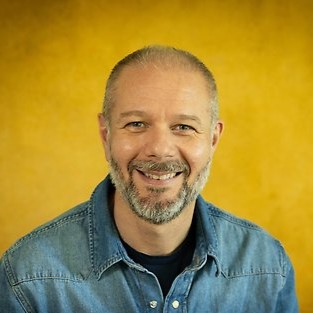
Tilly Laestander
Tilly Laestander
Lund University Centre for Sustainability Studies (LUCSUS), Lund University
Giuliano Di Baldassarre
Uppsala University (UU)
Hydrology and socio-hydrological systems
Louis Delannoy
Louis Delannoy
Stockholm Resilience Centre (SRC), Stockholm University (SU)
Research on polycrisis and climate governance
Riccardo B. Navarro
Riccardo B. Navarro
Karolinska Institutet (KI)
PhD student researching future impacts of climate extremes on health
Manuel M.O. Nocentini
Karolinska Institutet (KI)
PhD student studying early-life impacts of current climate extremes
Markus Simon
Markus Simon
Karolinska Institutet (KI)
Climate extremes, public health, risk perception, well-being
Fan Wang
Fan Wang
RISE Research Institutes of Sweden
Junior researcher in remote sensing and machine learning for environmental applications
Manuel Martellini O Nocentini
Karolinska Institutet (KI)
Statistics, Environmental Epidemiology
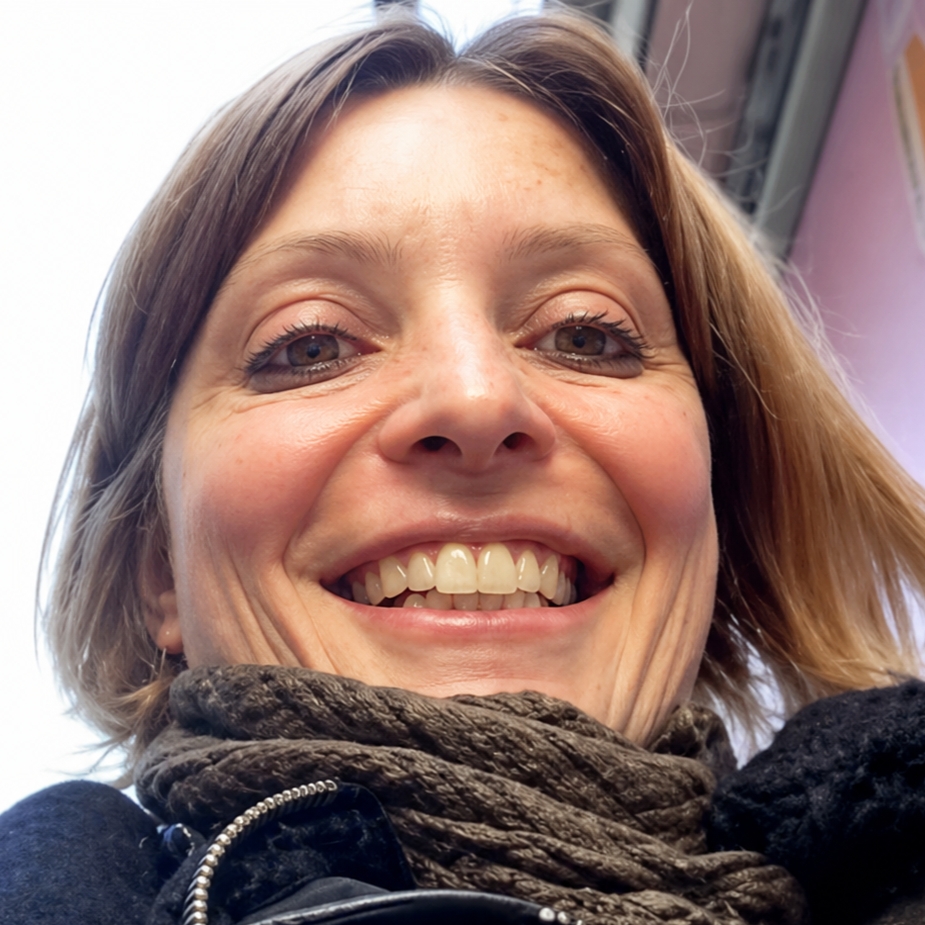
Maria Rusca
Maria Rusca
Uppsala University (UU)
Political ecology, water governance, climate adaptation, urban inequality
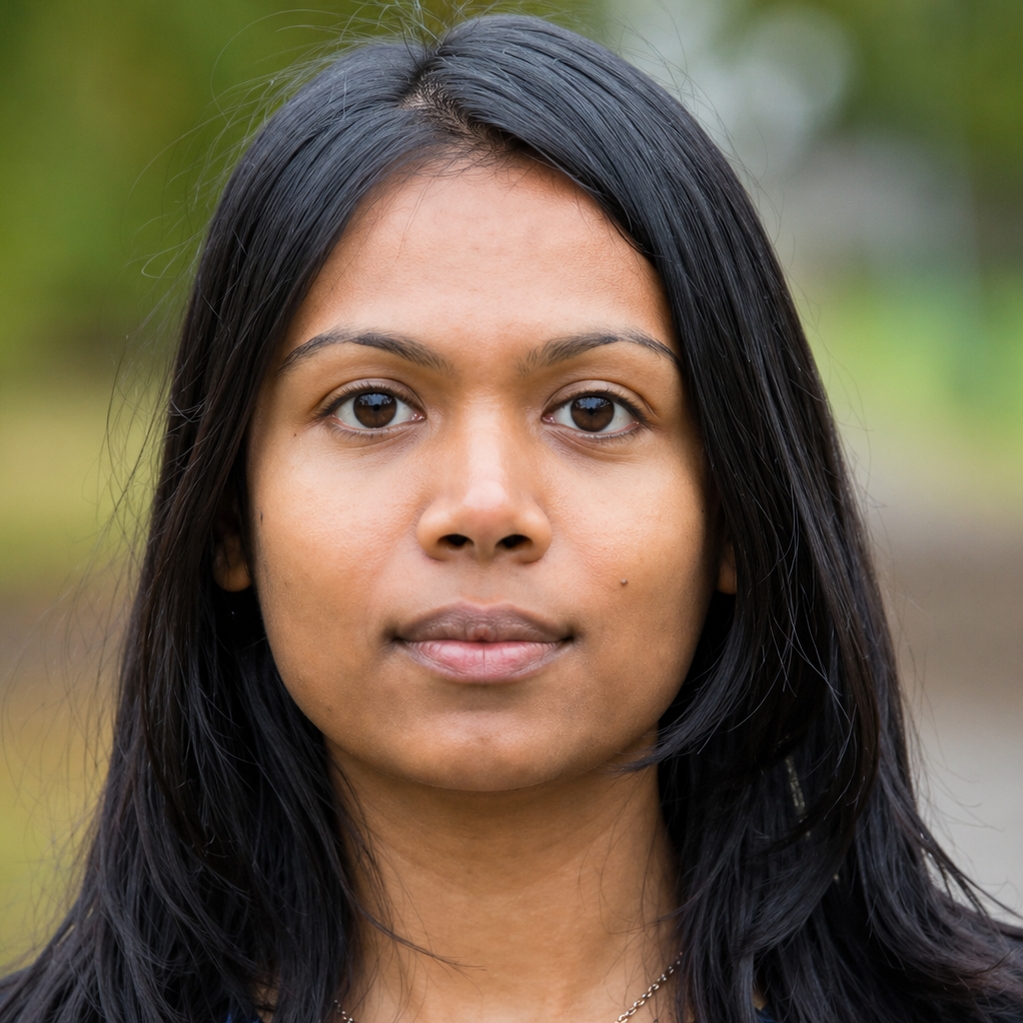
Shruti Kashyap
Shruti Kashyap
Beijer Institute of Ecological Economics
Sustainability science, ecological economics, climate resilience, development-environment interactions
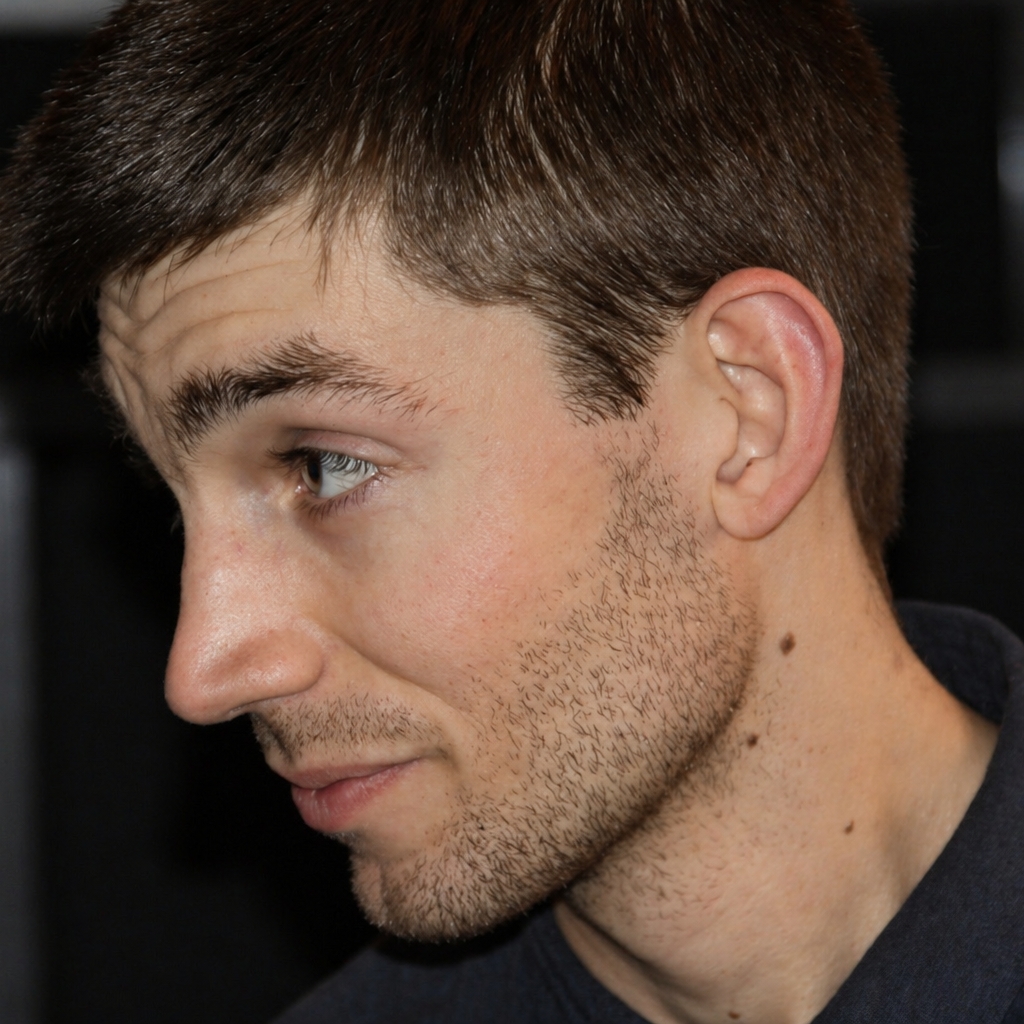
Michael Schutte
Michael Schutte
Uppsala University (UU)
Human geography, climate impacts, vulnerability and adaptation

Leonardo Olivetti
Leonardo Olivetti
Uppsala University (UU)
Climate risk, socio-environmental systems, extreme events analysis
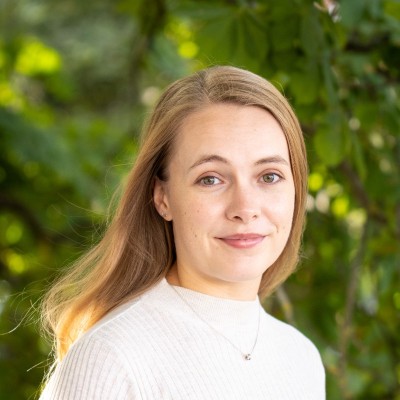
Ulrika Lundin Glans
Ulrika Lundin Glans
Uppsala University (UU)
Peace and conflict research, climate security, environmental stress and conflict dynamics

Georgios Filippis
Georgios Filippis
RISE Research Institutes of Sweden
Machine learning, data-driven climate analysis, environmental data systems
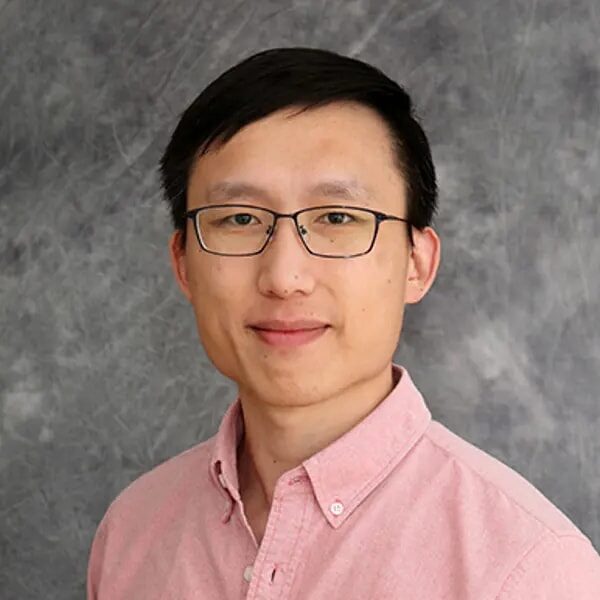
Hans Chen
Hans Chen
Chalmers University of Technology
Ecology, biodiversity, ecosystem functioning, environmental change impacts
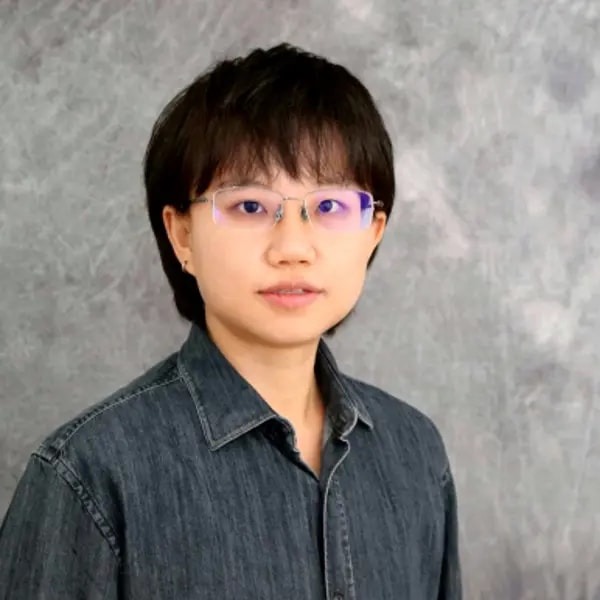
Xinyu Yang
Xinyu Yang
Chalmers University of Technology
Climate modeling, atmospheric science, extreme weather analysis
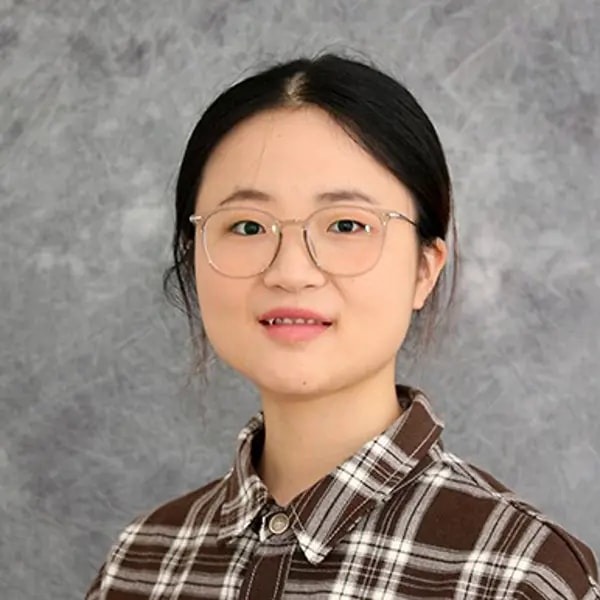
Fangyuan Cheng
Fangyuan Cheng
Chalmers University of Technology
Energy systems, sustainability transitions, climate mitigation pathways
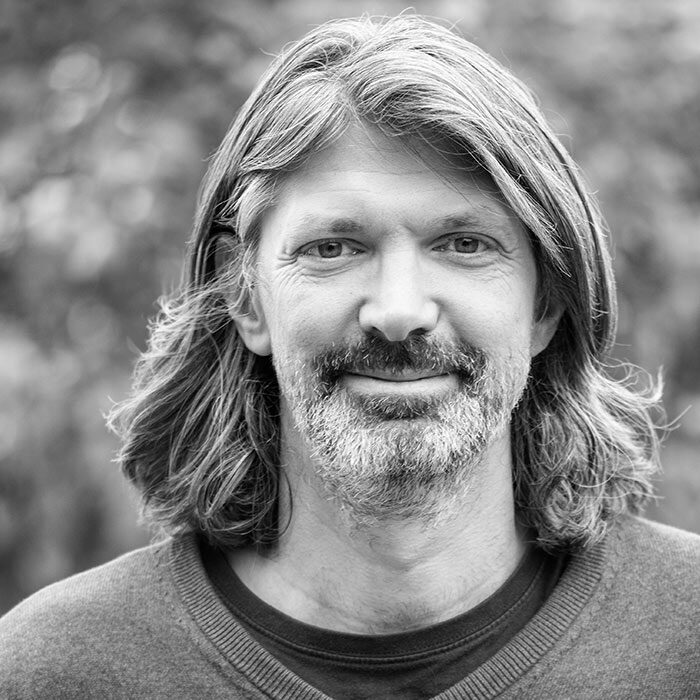
Climes Visiting Researchers
2026
Sebastian Engelke

Dates: 12–17 February 2026

Institution: University of Geneva

Jonathan Rosser

Dates: 2–24 March 2026

Institution: London School of Economics

Marialuisa Simone

Dates: 2 March – 5 June 2026

Institution: Università della Calabria

Jeppe Have Rasmussen

Dates: 25–27 March 2026

Institution: University of Copenhagen

Mathilde Luna Joly

Dates: 15 April – 15 June 2026

Institution: Università di Bologna

Jörgen Carling

Dates: 22–24 April 2026

Institution: PRIO Oslo

Luisa Zuccolo

Dates: November 2026

Institution: TBC

2025
Ines Dillerup

Dates: 17 February – 28 March 2025

Institution: KIT Karlsruhe

David Edwards

Dates: 11–15 March 2025

Institution: University of Cambridge

Oisin Mac Aodha

Dates: 13–16 May 2025

Institution: University of Edinburgh

Paolo Scussolini

Dates: 19–23 May 2025

Institution: VU Amsterdam

Melinda Galfi

Dates: 19–23 May 2025

Institution: VU Amsterdam

Antoninette Fage-Butler

Dates: 19–23 May 2025

Institution: Aarhus University

Taís Carvalho

Dates: 9–20 June 2025

Institution: UFZ Leipzig

Gianmarco Mengaldo

Dates: 9–13 June 2025

Institution: National University of Singapore

Alexia Sampri

Dates: 27 September – 3 October 2025

Institution: University of Cambridge

Blanca Paniello Castillo

Dates: 28 September – 3 October 2025

Institution: ISGlobal

Laura Bohme

Dates: September – October 2025

Institution: University of Göttingen

Davide Faranda

Dates: 26–29 October 2025

Institution: CNRS

Poya Fakhour

Dates: 1 November – 5 December 2025

Institution: Jagiellonian University

Colin Raymond

Dates: 8–12 December 2025

Institution: UCLA

2024
Ni Li

Dates: 15–26 January 2024

Institution: Free University of Brussels

Joaquim Pinto

Dates: 23–26 April 2024

Institution: KIT Karlsruhe

Julia Mömken

Dates: 23–26 April 2024

Institution: KIT Karlsruhe

Kai Kornhuber

Dates: 23–26 April 2024

Institution: Climate Analytics

Davide Faranda

Dates: 2–8 May 2024

Institution: CNRS

Giorgio Tiecco

Dates: 6–15 May 2024

Institution: University of Brescia

Taís Carvalho

Dates: 17–20 June 2024

Institution: UFZ Leipzig

Ni Li

Dates: 17–20 June 2024

Institution: Free University of Brussels

Rose Pritchard

Dates: 3–21 June 2024

Institution: University of Manchester

Rose Pritchard

Dates: 28 August – 11 September 2024

Institution: University of Manchester

Maria Rusca

Dates: 28–31 October 2024

Institution: University of Manchester

Ayansina Ayanlade

Dates: 23–26 October 2024

Institution: Central European University

Louis Delannoy

Dates: 25–27 November 2024

Institution: KVA Stockholm

```

Sakıp Murat Yalçın

Murat is the Project Coordinator for climes at Uppsala University, where he ensures effective project management, team coordination, and strategic alignment for climate resilience and adaptation initiatives. With extensive experience in agile project management and stakeholder engagement, Murat plays a crucial role in facilitating collaboration across interdisciplinary research teams.
Previously, he led national projects on digital inclusion, adult education and major cultural events. His expertise includes agile methods, event management, communication strategies.


Focus: Cross-disciplinary coordination, team facilitation, stakeholder engagement, project administration and communication strategies, in order to support impactful climate resilience initiatives.

Download the logotype-kit

Media Coverage
Uppsala University, March 2026
Uppsala aims to take a leading role in climate research
With: Gabriele Messori
Vetenskapsradion, February 2026
Så påverkade det varmare klimatet regnkatastrofen i Valencia
With: Gabriele Messori
Dagens Nyheter, February 2026
Rött larm i Frankrike samtidigt som EU varnar för 3 grader
With: Gabriele Messori
Dagens ETC, January 2026
Snökaoset lamslår Europa – därför haltar beredskapen
With: Per Becker
Dagens Nyheter, December 2025
Klimatförändringarna förstärkte extremvädret i Sydasien
With: Gabriele Messori
Dagens ETC, December 2025
Mildare vintrar kan öka risken för stormskador
With: Gabriele Messori
Upptalk, December 2025
Extrema klimathändelser – hur påverkas samhället?
With: Gabriele Messori
Miami Herald, November 2025
Hurricane Melissa was a freak storm. Science says climate change made it freakier
With: Gabriele Messori
Syre, October 2025
Melissa ödelade Jamaica – utsläppen gav orkanen extra kraft
With: Gabriele Messori
Svenska Dagbladet, October 2025
Kaos på Jamaica efter Melissas framfart
With: Gabriele Messori
Sky News, October 2025
Sky News 29th October 2025
With: Gabriele Messori
TV4, October 2025
Nyheterna 30th October 2025
With: Gabriele Messori
Uppsala University, August 2025
Mer än 6000 skolelever hjälper till med Uppsala universitets forskning
With: Gabriele Messori
TV4 Nyhetsmorgon, August 2025
Artighetsfraserna kostar miljarder – sliter på miljön: ”Gör ingen nytta”
With: Olof Mogren
SR P1, March 2025
AI – en nyckfull motor på vägen mot omställning
With: Olof Mogren
Aftonbladet, Svenska Dagbladet, Sydsvenskan, Göteborgs-Posten, April 2025
Torka får hela planeten att vrida sig
With: Gabriele Messori
SVT, June 2025
Aktuellt 30th June 2025
With: Gabriele Messori
Vetenskapsradion, July 2025
Hetta, torka och skogsbränder samtidigt blir vanligare
With: Gabriele Messori
Radio Ecoshock, July 2025
Compound Climate Disaster
With: Gabriele Messori
SR Ekot, July 2025
Expert: Därför är ovädret i Texas unikt
With: Gabriele Messori
SVT, July 2025
Nyheterna 6th July 2025
With: Gabriele Messori
Göteborgs-Posten, July 2025
Extremsnabba störtfloden i Texas fångad på video
With: Gabriele Messori
Dagens Nyheter, July 2025
Myndigheterna underskattade regnet i Texas
With: Gabriele Messori
Aftonbladet, Svenska Dagbladet, Göteborgs-Posten, July 2025
Forskare: Värmeböljorna kommer slå till tidigare
With: Gabriele Messori
PreventionWeb, June 2025
Multiple extreme climate events at the same time may be the new normal
With: Gabriele Messori
Uppsala University, June 2025
Extremväder här för att stanna – hur påverkas Sverige?
With: Gabriele Messori
Uppsala University, June 2025
Pressmeddelande: Flera extrema klimathändelser samtidigt kan bli ny norm
With: Gabriele Messori
Uppsala University, August 2025
Mer än 6000 skolelever hjälper till med Uppsala universitets forskning
With: Gabriele Messori
TV4 Nyhetsmorgon, August 2025
Artighetsfraserna kostar miljarder – sliter på miljön: ”Gör ingen nytta”
With: Olof Mogren
Syre, October 2025
Melissa ödelade Jamaica – utsläppen gav orkanen extra kraft
With: Gabriele Messori
Svenska Dagbladet, October 2025
Kaos på Jamaica efter Melissas framfart
With: Gabriele Messori
Sky News, October 2025
Sky News 29th October 2025
With: Gabriele Messori
TV4, October 2025
Nyheterna 30th October 2025
With: Gabriele Messori
Miami Herald, November 2025
Hurricane Melissa was a freak storm. Science says climate change made it freakier
With: Gabriele Messori
Dagens Nyheter, December 2025
Klimatförändringarna förstärkte extremvädret i Sydasien
With: Gabriele Messori
Dagens ETC, December 2025
Mildare vintrar kan öka risken för stormskador
With: Gabriele Messori
Dagens ETC, January 2026
Snökaoset lamslår Europa – därför haltar beredskapen
With: Per Becker
Vetenskapsradion, February 2026
Så påverkade det varmare klimatet regnkatastrofen i Valencia
With: Gabriele Messori
Dagens Nyheter, February 2026
Rött larm i Frankrike samtidigt som EU varnar för 3 grader
With: Gabriele Messori
Upptalk, December 2025
Extrema klimathändelser – hur påverkas samhället?
With: Gabriele Messori
Uppsala University, March 2026
Uppsala aims to take a leading role in climate research
With: Gabriele Messori
SVT, January 2025
Lång torrperiod och hårda vindar blev en grogrund för bränderna
Long drought and strong winds paved the way for the fires
With: Gabriele Messori
SR Vetenskapsradion, January 2025
Studie kopplar bränder i LA till global uppvärmning
Study links LA fires to global warming
With: Gabriele Messori
SR P1, January 2025
Forskare: Klimatförändringar bäddade för brandkatastrofen i Los Angeles
Researchers: Climate change set the stage for the LA fire disaster
With: Gabriele Messori
IVA, January 2025
Joakim Nivre tilldelas Chester Carlsons forskningspris
Joakim Nivre awarded Chester Carlson Research Prize
With: Joakim Nivre
Fabriken/UR, December 2024
Är AI klimatets frälsare eller fiende?
With: Olof Mogren
Dagens Nyheter, November 2024
Vi har underskattat hur sårbara våra samhällen är
We have underestimated how vulnerable our societies are
With: Gabriele Messori
Vetenskapsradion, November 2024
Kraftiga regnen kopplas till klimatförändringen i ännu en rapport
Heavy rains linked to climate change in another report
With: Gabriele Messori
TV 4, November 2024
TV4 Nyhetsmorgon 2nd Nov. 2024
TV4 Morning News 2nd November 2024
With: Gabriele Messori
Svenska Dagbladet, November 2024
Motorvägen blev en flytande kyrkogård
The highway became a floating cemetery
With: Gabriele Messori
Computer Sweden, November 2024
Så kan AI användas för att rädda klimatet
How AI can be used to save the climate
With: Olof Mogren
Göteborgs-Posten, October 2024
Klimatförändringar gör orkanerna kraftigare
Climate change is making hurricanes stronger
With: Gabriele Messori
SVT Nyheter, October 2024
Katastrofen i Spanien – steg för steg
The catastrophe in Spain – step by step
With: Gabriele Messori
SVT, October 2024
Rapport 31st Oct. 2024
Report 31st October 2024
With: Gabriele Messori
Lund University, October 2024
Fyra Lundaforskare om klimattoppmötet
Four Lund researchers on the climate summit
With: Emily Boyd
Vetenskapsradion, September 2024
Så kopplar forskarna översvamningarna till klimatuppvärmningen – troligen
With: Gabriele Messori
SR P1, September 2024
Forskargrupp: Samband mellan stormen Boris och klimatförändringarna
With: Gabriele Messori
SR P1, September 2024
Naturens vrede - när ovädret överrumplar oss
Nature’s wrath – when the storm surprises us
With: Gabriele Messori
SR Vetenskapsradion, September 2024
Allt färre dör av värmeböljor
Fewer and fewer die from heatwaves
With: Elena Raffetti
SR P1, July 2024
Studio Ett (starting 13:20)
With: Gabriele Messori
DN, July 2024
Rapport: Europas värmebölja förstärktes med 3 grader på grund av människor
Report: Europe's heatwave amplified by 3 degrees due to humans
With: Gabriele Messori
VR, June 2024
Climes – Svenskt centrum för extrema klimathändelser
Climes – Swedish Centre for Climate Extremes
With: Gabriele Messori
TEDxKTH, May 2024
Tackling climate change using AI
With: Olof Mogren
Aftonbladet, May 2024
Expertens larm: Då blir värmen farlig
Expert alarm: That's when the heat becomes dangerous
With: Gabriele Messori
University of Bergen, May 2024
Human geographies of climate change adaptation
With: Emily Boyd
Svenska Dagbladet, April 2024
Våren vägrar att komma – ”det är eländigt”
Spring refuses to come – "it’s miserable"
With: Gabriele Messori
SVT, April 2024
Experten om regnkaoset i Dubai: Troligtvis inte molnsådd
Expert on rain chaos in Dubai: Likely not cloud seeding
With: Gabriele Messori
Vetenskapsnyheter P1, April 2024
Svensk storsatsning på extremväder-forskning invigs idag
Swedish major initiative on extreme weather research launched today
With: Gabriele Messori
Lund University, April 2024
Emily Boyd on her hopes for the new Swedish Centre for Impacts of Climate Extremes
With: Emily Boyd

Image Credits: Vk.com, Karolinska Institutet, Uppsala University, The Royal Academy of Sciences Sweden, Respective institutions of affiliates, Sakıp Murat Yalçın

About climes

Swedish Centre for Impacts of Climate Extremes (climes) is a research and training platform building an interdisciplinary field on how climate extremes affect people, ecosystems and infrastructure in a changing world. The Centre brings together physical, medical, social and engineering sciences—disciplines rarely combined—to advance knowledge, shape the Swedish research landscape and strengthen societal resilience. Our work centres on three themes: compiling high-quality data on the impacts of climate extremes; analysing the physical–societal interactions that drive consequences; and developing policy-actionable scenarios to prepare for future extremes.

In these tabs you can find more information about climes.

Research themes

Our work is organized around three overarching themes, each targeting key knowledge gaps:

Data Development: We compile improved, freely accessible climate impact data for scientific and policy use, utilizing advanced natural language processing techniques for automated information extraction.
Impact Analysis: We unravel the complex interplay between the physical characteristics of climate extremes and societal responses, using interdisciplinary approaches to dissect the genesis of impacts.
Scenario Building: We develop socio-physical scenarios of future extreme events, accounting for societal and adaptation processes to aid in policy formulation and resilience building. See below to read about our researchers.

Education and training

Our educational initiatives include:

  • Contributing to master’s programmes with a focus on climate impacts.
  • Establishing the climes Graduate School in Climate Impacts, offering interdisciplinary training to doctoral students.
  • Providing a comprehensive suite of training objectives and complementary skills development to enhance career readiness and societal impact.

International collaboration

climes fosters a vibrant international network, engaging in collaborations across academia, the private sector, and public agencies worldwide. Our international exchange program enriches our research and expands our global perspective, ensuring that climes is at the forefront of addressing global challenges related to climate extremes.

Societal engagement

Our commitment to societal resilience and adaptation is reflected in our efforts to:

  • Promote public awareness of climate extremes’ impacts through various outreach activities.
  • Produce policy briefs and engage with stakeholders to inform and support evidence-based decision-making.
  • Involve communities in our research, ensuring that our work is grounded in real-world needs and contributes to sustainable solutions.

Organisational structure

climes operates with a streamlined management structure that includes all principal investigators, supported by dedicated committees for training coordination and external advisory. This collaborative approach ensures that our research is agile, responsive, and impactful.

Gabriele Messori, Center Director

Gabriele Messori is an atmospheric physicist who explores the complexities of our climate, focusing on extreme weather events and their broader impacts. With an M.Sc. from Imperial College London and a subsequent Ph.D. in Atmospheric Physics, Gabriele has delved into various research areas, from dynamical systems theory to climate data analysis. His work at the Department of Earth Sciences at Uppsala University focuses on the forecasting and understanding of the societal impacts of extreme weather in the mid and high latitudes. His research methodology integrates observations, models, and statistical tools to foresee and mitigate the challenges posed by our evolving climate. 

Emily Boyd

Emily Boyd is a Professor in Sustainability Studies at LUCSUS (Lund University Centre for Sustainability Studies), with a focus on environment and climate change. Her research spans across the interdisciplinary nexus of poverty, livelihoods, and resilience, addressing critical issues in global environmental change, notably in cities, sustainable land use, and deforestation across various continents. With a background in social science, Emily’s work offers insights into resilience, adaptation, and community participation in the carbon economy. She holds a variety of positions, including Deputy Coordinator at LU’s Nature-based future solutions and Director at Lund University Sustainability Forum.

Joakim Nivre

Joakim Nivre, a professor of computational linguistics at Uppsala University and formerly a senior researcher at RISE, has had an academical journey with Ph.D.s in General Linguistics and Computer Science from the University of Gothenburg and Växjö University, respectively. His pioneering work in data-driven methods for language technology, especially morphosyntactic and semantic analysis, has influenced the field. Nivre is one of the developers of the transition-based method for syntactic dependency parsing and a founding member of the Universal Dependencies project, which aims to standardize morphosyntactic annotation across languages. His contributions to computational linguistics are widely recognized, underscoring his leadership in the global research community.

Elena Raffetti

Elena Raffetti, a medical doctor with a specialty in public health, is deeply engaged in epidemiological research and health data science. She completed her specialty training in public health medicine at the University of Brescia, Italy, in 2016 and obtained her Ph.D. in Medical Science, specializing in Epidemiology, from Karolinska Institutet in 2021. Her post-doctoral work was performed at Department of Primary Care and Public Health at University of Cambridge and Department of Earth Sciences at Uppsala University. Currently an Assistant Professor at the Department of Global Public Health, Karolinska Institutet, and involved in multiple research projects across Europe, Elena is dedicated to understanding the health impacts of socio-environmental extreme events, particularly focusing on cardiovascular and maternal health amidst climate extremes and pandemic.

Olof Mogren

Olof Mogren serves as a senior researcher on foundational and applied machine learning at RISE. After obtaining his Ph.D. in machine learning from Chalmers University of Technology in 2018, Mogren has gained extensive experience in leading applied AI projects addressing challenges in climate adaptation and ecology. He leads RISE Learning Machines Seminars and works on AI for soundscape analysis, biodiversity monitoring, and remote sensing, demonstrating his commitment to using AI for societal benefits and environmental sustainability.

Dr. Hanifeh Khayyeri

Institution: Research Institutes of Sweden (RISE)
Expertise: Biomechanics, medical technology, and engineering sciences


Prof. Emily Boyd

Institution: Lund University (LU)
Expertise: Human-environment geography, climate adaptation, and vulnerability


Dr. Olof Mogren

Institution: Research Institutes of Sweden (RISE)
Expertise: Deep learning, artificial intelligence, and climate data analysis


Dr. Elena Raffetti

Institution: Uppsala University (UU) and Karolinska Institutet (KI)
Expertise: Epidemiology, public health, and medical sciences


Prof. Ian Snowball

Institution: Uppsala University (UU)
Expertise: Geo/paleomagnetism, contaminated sediments


Prof. Joakim Nivre (Adjunct Member)

Institution: Research Institutes of Sweden (RISE)
Expertise: Natural language processing, computational linguistics, and machine learning


Prof. Gabriele Messori

Institution: Uppsala University (UU)
Expertise: Climate science, extreme weather events, and atmospheric dynamics


Dr. Martina Angela Caretta

Institution: Lund University (LU)
Expertise: Water insecurity, climate change adaptation, vulnerability, gender


Sakıp Murat Yalçın (Adjunct Member)

Institution: Uppsala University (UU)
Project role: Project coordinator


Sanja Duvnjak Žarković

Postdoctoral researcher at Uppsala University’s Department of Earth Sciences. She completed her Ph.D. in Electrical Engineering at KTH Royal Institute of Technology, specializing in power systems with a focus on Security of Supply. Sanja’s expertise includes mathematical optimization, data analysis, machine learning, and reliability analysis in power systems.

Her current research focuses on the impacts of extreme weather on power systems and their societal implications. She aims to enhance the resilience and security of these critical infrastructures by integrating security of supply concepts into broader power system resilience frameworks.

Research focus: Impacts of extreme weather on power systems and societal dependencies, aiming to improve resilience and security.

Murathan Kurfalı

Postdoctoral researcher at the Research Institutes of Sweden (RISE), specializing in natural language processing. Murathan holds a Ph.D. in Computational Linguistics from Stockholm University, with his research covering areas such as multilingual discourse analysis, evaluation of language models across languages, and computational analysis of textual corpora to gain insights into human perception.

During his postdoctoral work within the climes project, Murathan applies natural language processing techniques to large datasets (e.g., news, articles, and reports) to explore the impacts of climate change. His research focuses on mining data related to climate-related disasters and societal impacts, as well as analyzing how perceptions and discussions of climate change evolve over time.

Research focus: Improving language models for diverse linguistic applications, with a particular emphasis on developing computational tools for analyzing multilingual texts.

Aditya Narayan Mishra

Postdoctoral researcher at Uppsala University’s Department of Earth Sciences. Aditya completed his Ph.D. in Climate Science at Karl-Franzens-Universität Graz, Austria, specializing in regional climate modeling and extreme weather events. His research integrates climate simulations, atmospheric dynamics, and climate variability to assess the impacts of extreme events, particularly in extra-tropical regions.

His previous work spans multiple institutions, including time as a visiting scholar at the University of Reading and conducting research at the Indian Institute of Tropical Meteorology. Aditya’s expertise includes precipitation patterns, climate dynamics, and feedback mechanisms in climate systems, with a focus on understanding how climate change intensifies extreme weather phenomena.

Research focus: Impacts of climate change on precipitation, atmospheric dynamics, and extreme weather events, with particular emphasis on regional climate modeling and simulation techniques to predict future climate scenarios.

Alicia N’Guetta

Researcher at Lund University’s Centre for Sustainability Studies (LUCSUS). Alicia holds a Ph.D. in Sustainability Science from Lund University. Her work spans climate impacts and action, adaptation, loss and damage, and climate governance, with regional experience in Africa, the Caribbean, and Europe (including French overseas territories and EU outermost regions). She works at the science–policy–society interface to co-produce knowledge that supports equitable, transformative climate action.

Before joining LUCSUS, Alicia worked as a Monitoring & Evaluation Officer with the Food and Agriculture Organization (FAO), covering Madagascar, Comoros, Mauritius, and Seychelles (based at the FAO office in Comoros). Her doctoral research examined narratives of loss and damage in tropical fisheries through a blue justice lens, contributing to projects such as the EU Horizon 2020 MACOBIOS and the FORMAS-funded DICE initiative.

Research focus: Climate change impacts and action; loss & damage; adaptation; climate governance; blue climate justice and equity.

Climes Researcher List
Stefano Caserini
Stefano Caserini
University of Parma & Climalteranti (Italy)
Air quality, greenhouse gases, emission inventories, and climate change mitigation strategies
Johan Groth
Johan Groth
Former Head of StormGeo (Sweden)
Weather services for industry, meteorology-driven business solutions, and climate-sensitive enterprise advisory
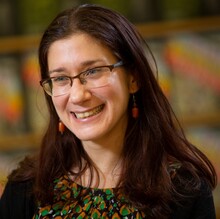
Alice Sverdlik
Alice Sverdlik
University of Manchester (UK)
Urban health, informal settlements, climate adaptation, gender and environment, and equitable urban resilience
Nicola Orsini
Nicola Orsini
Karolinska Institutet (KI, Sweden)
Medical statistics, global public health, epidemiology and quantitative methods for social and health research
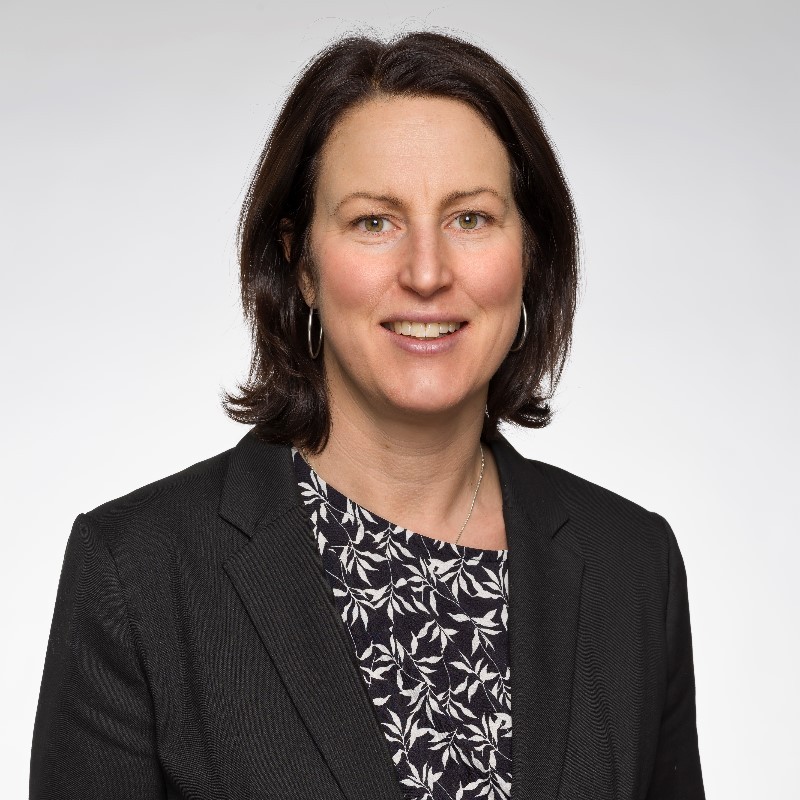
Emma Lillskogen
Emma Lillskogen
Uppsala Municipality (Sweden)
Municipal climate adaptation, stakeholder engagement, and sustainability planning in regional governance
Climes Researcher List
Andreas Nord
Andreas Nord
Lund University (LU)
Ecological and evolutionary physiology, climate adaptation in animals
Olof Görnerup
Olof Görnerup
RISE Research Institutes of Sweden
Machine learning, data analysis, distributed data analysis
Aleksis Pirinen
Aleksis Pirinen
RISE Research Institutes of Sweden
Computer vision, climate adaptation, environmental monitoring
Shorouq Zahra
Shorouq Zahra
RISE Research Institutes of Sweden
Machine Learning Engineering, MLOps, NLP
Stefan Döring
Stefan Döring
Uppsala University (UU); Peace Research Institute Oslo (PRIO)
Water-related conflict, non-state water cooperation
Koffi Worou
Koffi Worou
Uppsala University (UU)
Climate physics, climate modeling, geospatial data analysis
Sara Lindersson
Sara Lindersson
Uppsala University (UU)
Social vulnerability, natural hazards, GIS
Carl Vahtra
Carl Vahtra
Karolinska Institutet (KI)
Public health, global health interventions
John Martinsson
John Martinsson
RISE Research Institutes of Sweden; Lund University (LU)
Machine learning, bioacoustics, ecoacoustics
Maria Bånkestad
Maria Bånkestad
RISE Research Institutes of Sweden; Uppsala University (UU)
Deep learning, geometric deep learning, AI applications in chemistry
Isabel Walter
Isabel Walter
Karolinska Institutet (KI)
Global public health
Max Wybrant
Max Wybrant
University of Cambridge; Imperial College London
Global infectious disease analysis
Chanjuan Meng
Chanjuan Meng
RISE Research Institutes of Sweden; Royal Institute of Technology (KTH)
Machine learning, NLP
Shivang Pandey
Shivang Pandey
Karolinska Institutet (KI); Uppsala University (UU)
Geospatial Data Science, Climate Environmental Analysis
Veronica Tirado
Veronika Tirado
Karolinska Institutet (KI)
Public health, global health, social medicine, and epidemiology
Richard Walters
Richard Walters
Centre for Environmental and Climate Science (CEC), Lund University
Effects of climate and habitat change on populations and ecosystem services, ecological forecasting models
Per Becker
Per Becker
Faculty of Engineering (LTH), Lund University
Risk management, disaster risk reduction, resilience in societal systems
Marlis Wullenkord
Marlis Wullenkord
Faculty of Engineering (LTH), Lund University
Environmental psychology, climate change communication, climate emotions
Sonja Aits
Sonja Aits
Faculty of Medicine, Lund University
Autophagy, cell death mechanisms, cancer research
Murray Scown
Murray Scown
Lund University Centre for Sustainability Studies (LUCSUS), Lund University
Sustainability science, land-use change, environmental modeling
Caroline Connolly
Caroline Connolly
Karolinska Institutet (KI)
Alicia N'guetta
Alicia N'guetta
Lund University Centre for Sustainability Studies (LUCSUS), Lund University
Loss and damage, adaptation, coastal and marine livelihoods, marine and coastal biodiversity
Emilia Ganslandt
Emilia Ganslandt
Lund University Centre for Sustainability Studies (LUCSUS), Lund University
Local climate adaptation strategies, sustainability transitions
Fabiola Cordoba
Fabiola Cordoba
Lund University Centre for Sustainability Studies (LUCSUS), Lund University
Climate change adaptation, vulnerability, resilience, marine and coastal governance, social-ecological systems, ecosystem-based management
Elisabeth Schill
Elisabeth Schill
Lund University Centre for Sustainability Studies (LUCSUS), Lund University
Project manager
Emilie Greve Pobiega
Lund University Centre for Sustainability Studies (LUCSUS), Lund University
Tilly Laestander
Tilly Laestander
Lund University Centre for Sustainability Studies (LUCSUS), Lund University
Giuliano Di Baldassarre
Uppsala University (UU)
Hydrology and socio-hydrological systems
Louis Delannoy
Louis Delannoy
Stockholm Resilience Centre (SRC), Stockholm University (SU)
Research on polycrisis and climate governance
Riccardo B. Navarro
Riccardo B. Navarro
Karolinska Institutet (KI)
PhD student researching future impacts of climate extremes on health
Manuel M.O. Nocentini
Karolinska Institutet (KI)
PhD student studying early-life impacts of current climate extremes
Markus Simon
Markus Simon
Karolinska Institutet (KI)
Climate extremes, public health, risk perception, well-being
Fan Wang
Fan Wang
RISE Research Institutes of Sweden
Junior researcher in remote sensing and machine learning for environmental applications
Manuel Martellini O Nocentini
Karolinska Institutet (KI)
Statistics, Environmental Epidemiology

Sakıp Murat Yalçın

Murat is the Project Coordinator for climes at Uppsala University, where he ensures effective project management, team coordination, and strategic alignment for climate resilience and adaptation initiatives. With extensive experience in agile project management and stakeholder engagement, Murat plays a crucial role in facilitating collaboration across interdisciplinary research teams.

Previously, he led national projects on digital inclusion, adult education and major cultural events. His expertise includes agile methods, event management, communication strategies. Focus: Cross-disciplinary coordination, team facilitation, stakeholder engagement, project administration and communication strategies, in order to support impactful climate resilience initiatives.